How to Insulate Potted Plants for Winter Using Fallen Leaves
Protect container plants from winter root damage by using fallen leaves as natural insulation around pot walls, preventing harmful freeze-thaw cycles.
 🌱Garden & Outdoor
Photo: Gardening Know How
Key points
- Potted plants require extra winter protection because roots lack the deep insulation of in-ground garden soil.
- Dry fallen leaves trapped in garden bags or wire cages create a pocket of still air that slows harmful freeze-thaw temperature swings.
- Water pots thoroughly before the soil freezes and replace wet, matted leaves after heavy rain or melting snow.
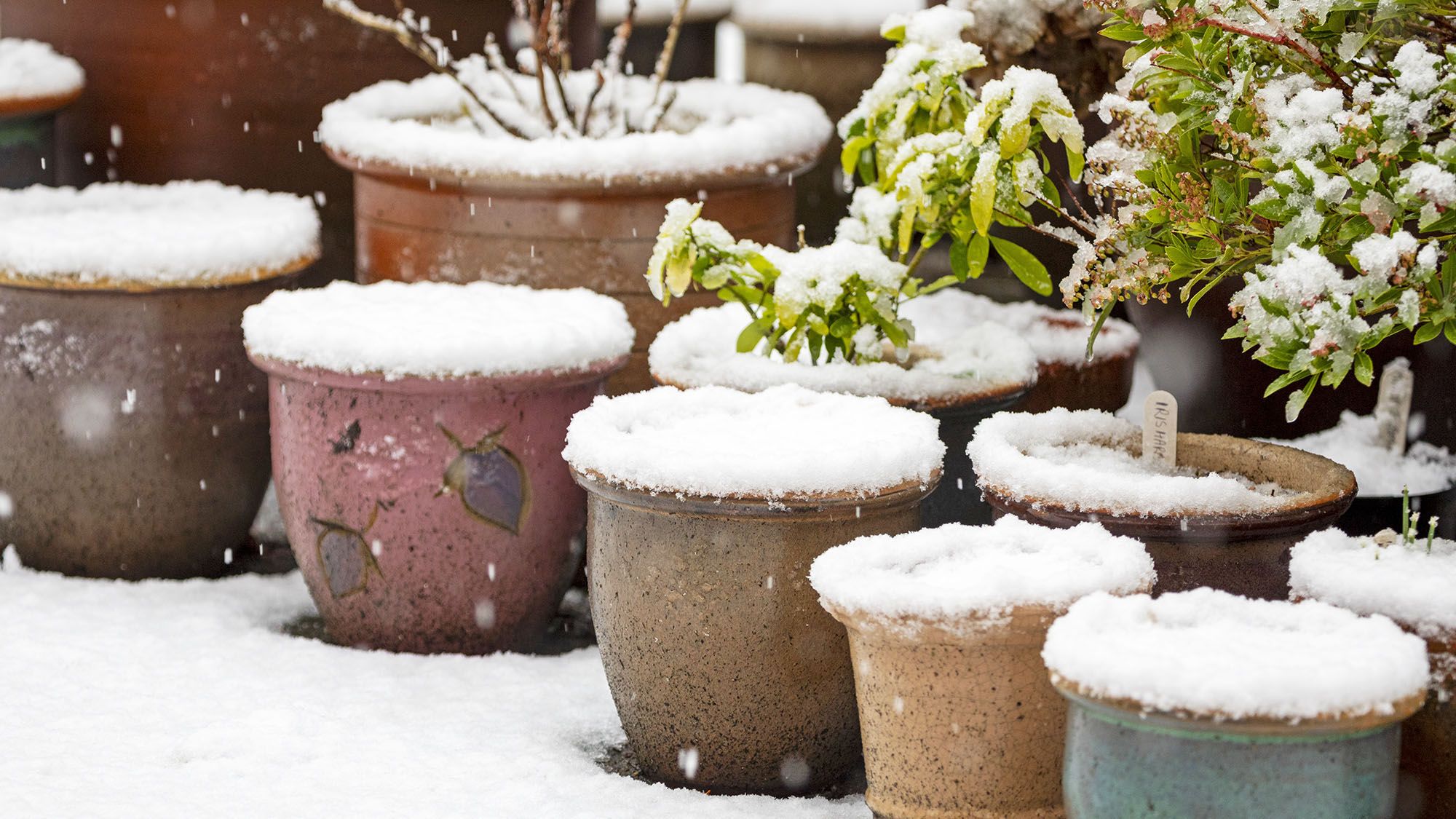
When autumn arrives, container plants face a unique challenge compared to plants in garden beds. Because cold air surrounds a pot on all sides, the root ball can quickly drop to outdoor temperatures and suffer severe damage, as roots are less cold-hardy than upper stems. To safeguard your patio perennials, you can repurpose fallen yard leaves as an effective thermal buffer rather than buying commercial mulch or hauling heavy pots into a garage.
To set up this method, gather dry, clean leaves free of sticks or disease. For multiple containers, cluster the pots together against an exterior house wall on the ground, water them thoroughly so the soil holds heat, and pack the leaves loosely into sturdy garden bags—such as a three-pack of reusable 72-gallon leaf bags—placed snugly around the pot perimeters. Alternatively, for a single large pot or tightly grouped plants, wrap flexible fencing like a 36-inch galvanized chicken wire roll around them, leaving a gap to fill with loose leaves up to the rim, and secure the wire base with 12-inch steel landscape staples. Check the leaves after heavy rain or snow, replacing any wet and flattened foliage since matted leaves lose their insulating properties.
Before you start: Keep in mind that leaves only slow down heat loss and do not generate warmth. This technique is designed for plants that are already hardy in your growing zone. Truly tender tropicals, citrus, or plants outside their hardiness range must be moved indoors to a frost-free area.
Source Gardening Know How — gardeningknowhow.com/special/containers/leaf-container-insulation-t… ↗
Read next
 🔧Repairs & Fixes
How to Deal With Stink Bugs Seeking Shelter in Your Home
Homeowners facing indoor invasions of brown marmorated stink bugs can use physical removal and deterrence methods rather than ineffective chemical treatments.
 🏗️Renovation
Madewell and The Six Bells Launch Vintage-Inspired Home and Wardrobe Capsule
Madewell has partnered with upstate New York hotel The Six Bells to release a 28-piece holiday capsule featuring home accessories, decor, and apparel.
 🛠️Products & Tools
Early Black Friday Discounts Hit DeWalt Power Tools at Ace Hardware
Ace Hardware has launched early Black Friday promotions featuring significant price reductions on DeWalt cordless power tools and accessories.
 🪚DIY Projects
How to Choose the Best Christmas Lights for Indoor and Outdoor Displays
Selecting the ideal holiday lighting involves balancing initial purchase costs against long-term energy efficiency, durability, and visual warmth.
 🏗️Renovation
Common Yard Eyesores That Hurt Your Home's Curb Appeal
Real estate professionals highlight the most common outdoor eyesores that negatively impact a property's exterior appeal and how to address them.
 🔧Repairs & Fixes
Essential Fireplace Safety: Materials You Must Never Burn Indoors
While fireplaces remain a popular home feature, burning the wrong items can release dangerous toxins and accelerate hazardous creosote buildup.