Essential Winterization: Protecting Wood, Metal, and Concrete Surfaces
Homeowners can prevent seasonal damage to outdoor structures by applying protective sealants and paints before freezing temperatures arrive.
 🔧Repairs & Fixes
Photo: Bob Vila
Key points
- Waterproof sealants on wood prevent the freeze-thaw cycles that cause warping and rot.
- Rust-resistant enamel on metal surfaces blocks oxygen and salt-induced corrosion.
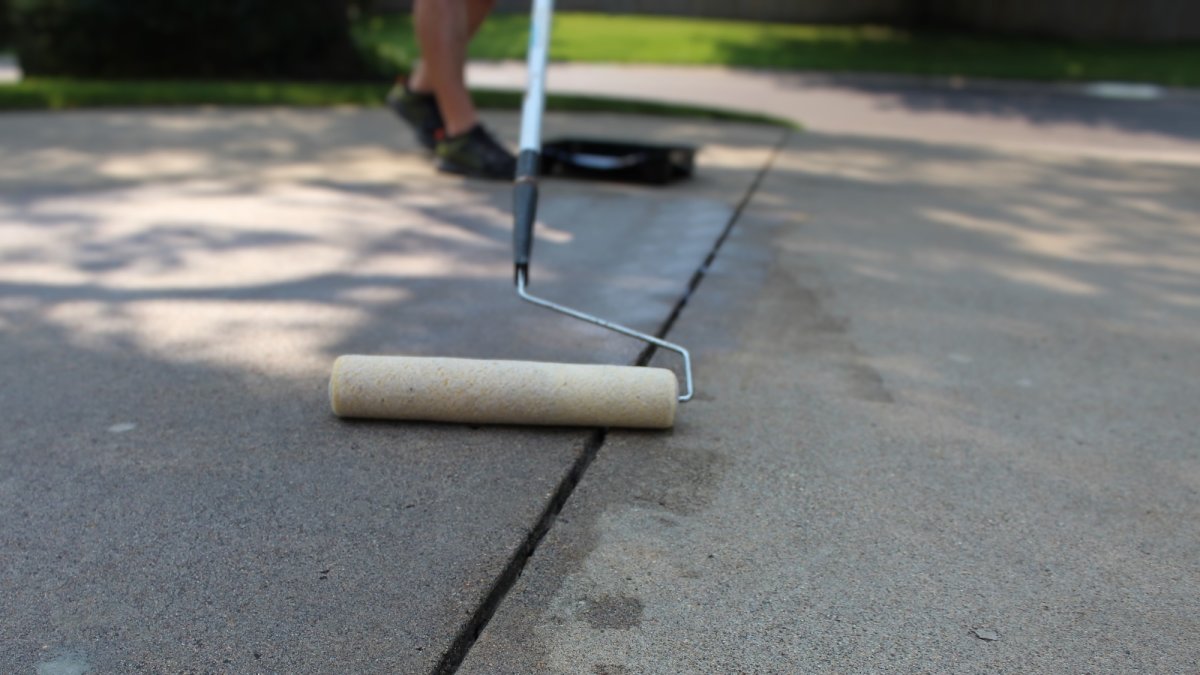
- Penetrating sealers for concrete create a hydrophobic barrier to stop surface scaling and cracking.
Winter weather poses a significant threat to outdoor home features, as freeze-thaw cycles and deicing salts can cause structural degradation. To safeguard decks, railings, and walkways, homeowners should apply protective coatings before the first hard freeze. These projects create a hydrophobic barrier that prevents moisture from penetrating porous materials, where it would otherwise expand and cause warping, splitting, or corrosion.
Shielding Exterior Wood and Metal
For wooden structures like fences and decks, moisture absorption leads to rot and checking. Applying a waterproof sealant or oil-based stain allows water to pool on the surface rather than soaking into the grain. For metal elements, such as iron gates or steel railings, chipped paint exposes the material to humidity and salt, accelerating oxidation. A coat of rust-resistant enamel or oil-based paint seals out oxygen to halt the chemical reaction that creates rust.
Maintaining Concrete Surfaces
Concrete is naturally porous, making it susceptible to surface scaling and deep cracking when absorbed snowmelt freezes. Unlike surface paints, penetrating sealers chemically bond within the concrete pores to create a breathable barrier. This prevents liquid water and salt from entering while allowing internal vapors to escape, protecting the integrity of driveways and patios during harsh winters.
- Tools required: Pressure washer or cleaning brushes, scrapers for loose paint or rust, paintbrushes or rollers, and material-specific sealants.
- Estimated time: Most projects can be completed over a weekend, depending on drying times between cleaning and application.
- Cost: These are budget-friendly DIY tasks, typically requiring only the purchase of specialized coatings and basic cleaning supplies.
"The finish reduces water absorption from rain and melting snow... prolonged dampness also creates conditions for decay," notes Marc Sharkey, a professional painter with experience in harsh climates.
Before you start: Ensure all surfaces are completely dry and free of debris. Always wear protective gear when handling chemical sealants, and remember that coatings are preventative; they cannot repair existing rot or structural cracks.
Source Bob Vila — bobvila.com/diy/winterization-painting/ ↗
Read next
 🌱Garden & Outdoor
Cultivating Your Own Holiday Greenery for Sustainable Seasonal Decor
Instead of relying on store-bought decorations, homeowners can plant perennial shrubs and evergreens that provide sustainable, natural materials for holiday wreaths and g…
 🏗️Renovation
Madewell and The Six Bells Launch Vintage-Inspired Home and Wardrobe Capsule
Madewell has partnered with upstate New York hotel The Six Bells to release a 28-piece holiday capsule featuring home accessories, decor, and apparel.
 🛠️Products & Tools
Early Black Friday Discounts Hit DeWalt Power Tools at Ace Hardware
Ace Hardware has launched early Black Friday promotions featuring significant price reductions on DeWalt cordless power tools and accessories.
 🌱Garden & Outdoor
Sustainable Hardscaping Ideas to Lower Your Garden's Environmental Footprint
Explore eco-friendly hardscaping techniques and materials, from reclaimed bricks and recycled composite lumber to permeable pavers that reduce runoff.
 🌱Garden & Outdoor
Can You Convert Your Riding Mower Into a Snow Plow?
Adding a snow plow blade to a riding lawnmower can increase the utility of your equipment, but experts warn that compatibility and machine limitations are critical factor…
 🪚DIY Projects
How to Choose the Best Christmas Lights for Indoor and Outdoor Displays
Selecting the ideal holiday lighting involves balancing initial purchase costs against long-term energy efficiency, durability, and visual warmth.